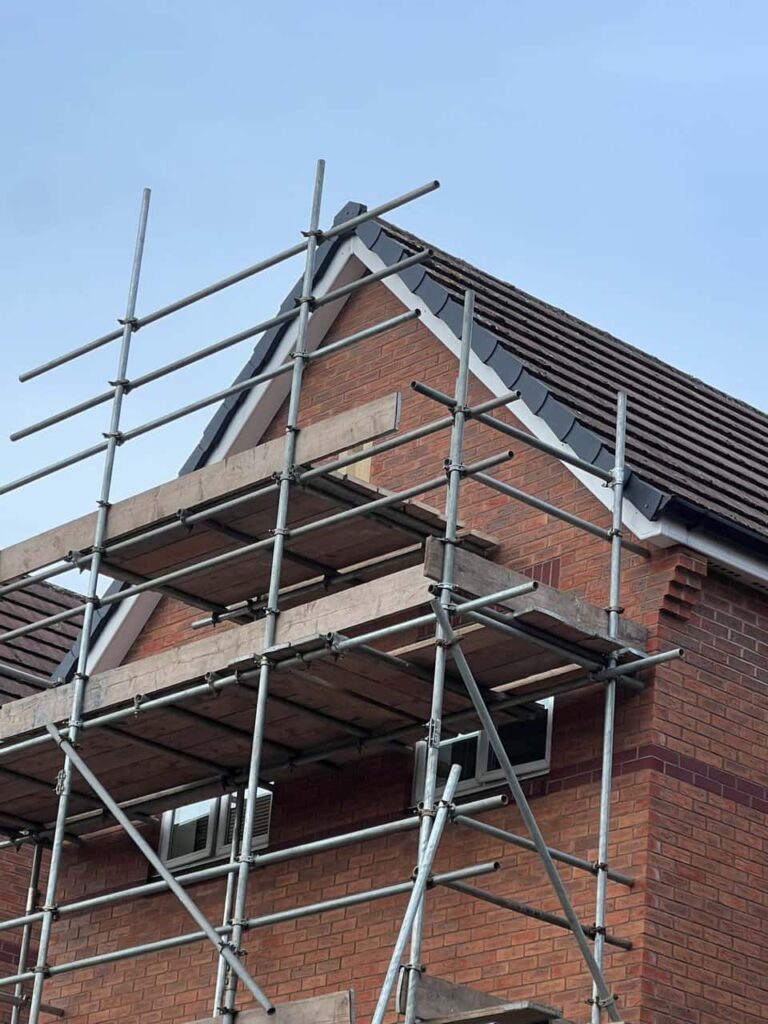
A roof does not have to suffer a major failure before its overall reliability becomes worth questioning. In many cases, concerns develop gradually: an occasional slipped tile, a recurring leak, deteriorating mortar or another area requiring attention. Individually, these problems may be repairable, but when defects begin appearing repeatedly or across different parts of the roof, it becomes important to consider how dependable the roofing system is as a whole.
For property owners in Witchford, Cambridgeshire, assessing overall roof reliability can help determine whether another localised repair is appropriate or whether the wider condition of the roof deserves closer investigation. The objective should always be to understand why problems are occurring and choose work that provides a dependable result.
When Does the Overall Reliability of a Roof Become the Main Concern?
Overall reliability becomes particularly important when there is no longer confidence that repairing one visible defect will leave the remainder of the roof performing as it should.
A roof functions as a complete system. Tiles or slates, fixings, underlay, battens, flashing, ridges, valleys and junctions all contribute towards keeping the property protected from the weather. A weakness in one area may be relatively straightforward to repair, but deterioration affecting several components can indicate a wider problem.
This is why the number, frequency and distribution of roofing defects often matter just as much as the severity of the latest fault.
Repeated Roof Repairs Can Reveal a Wider Pattern
An isolated repair is not necessarily a cause for concern. Roofing materials can occasionally become damaged through weather exposure, movement or general wear while the rest of the roof remains perfectly serviceable.
The situation changes when repairs become increasingly frequent.
For example, one section may initially develop a leak, followed later by displaced tiles elsewhere and then deterioration around another roof detail. Although these defects may appear unrelated, their occurrence over a relatively short period can indicate that several components are reaching a similar stage of deterioration.
A professional assessment can help establish whether these are genuinely separate faults or evidence of declining reliability across the roof.
Problems Appearing in Several Areas Deserve Attention
The location of roof defects can provide useful information.
When damage remains concentrated around one particular feature, such as a roof junction or section of leadwork, a targeted repair may resolve the problem effectively. When defects appear across several unrelated areas, however, focusing solely on the latest problem may provide an incomplete picture.
Signs worth investigating can include:
- Slipped or damaged tiles appearing in different areas
- Leaks occurring at more than one location
- Deteriorated mortar around several roof details
- Multiple sections of failing flashing or leadwork
- Increasingly fragile roofing materials
- Recurring dampness after periods of rainfall
- Previous repairs surrounded by newly deteriorating materials
None of these signs automatically means that extensive work is required. Their importance lies in the pattern they create when considered together.
The Condition Around Previous Repairs Matters
A previous roof repair can remain completely sound while the materials surrounding it continue to age.
This distinction is important. When a problem develops close to an earlier repair, it does not necessarily mean the previous workmanship has failed. The newly affected materials may simply have reached a similar stage of deterioration.
If this repeatedly occurs, carrying out another isolated repair without examining the wider roof can become less effective. Understanding the condition of neighbouring tiles, fixings, underlay and roof details helps determine whether there is sufficient sound material for another repair to provide a lasting solution.
Reliability Is About More Than Stopping Leaks
Leaks are among the most noticeable roofing problems, but a reliable roof needs to do more than remain visibly dry.
Roof coverings should remain secure, vulnerable junctions should continue to shed water correctly, flashing should protect transitions and penetrations, and the underlying roofing components should support the covering effectively.
A roof can therefore show signs of declining reliability before significant water penetration becomes obvious internally.
Loose materials, movement, widespread surface deterioration and repeated minor defects can all justify further investigation. Identifying these issues before they develop into more serious faults gives the roofer a better opportunity to recommend an appropriate solution.
Why the Underlying Cause Should Always Be Established
Treating the symptom rather than the cause can make a roof appear repaired without fully restoring its reliability.
A displaced tile, for example, may simply need securing. However, if several tiles are moving because fixings have deteriorated, repeatedly replacing individual tiles will not address the wider weakness.
Similarly, water appearing inside a property may travel some distance from the actual entry point. Repairing the area immediately above the damp patch without tracing the route of the water can leave the true defect untouched.
Accurate diagnosis is therefore central to reliable roof repair. The aim should be to understand what has failed, why it has failed and whether surrounding components are affected.
When Is a Whole-Roof Assessment Useful?
A broader roof assessment becomes particularly valuable when there is a history of recurring problems or uncertainty about the condition of several areas.
Rather than concentrating exclusively on the latest visible defect, the roofer can consider how the different parts of the roof are performing together. This may involve assessing the condition of the main covering, ridges, valleys, verges, leadwork, flashing and accessible underlying components.
The purpose is not to assume that the entire roof requires major work. In fact, a thorough assessment may confirm that most of the roof remains serviceable and that carefully targeted repairs are sufficient.
What matters is making the decision based on evidence rather than repeatedly reacting to individual symptoms.
Can a Roof Still Be Reliable After Several Repairs?
Yes. A history of repairs does not automatically mean a roof is unreliable.
Well-executed repairs can restore specific areas effectively, particularly when defects have resulted from isolated damage rather than widespread deterioration. Some roofs continue performing well for many years with correctly completed maintenance and occasional repairs.
The important consideration is whether each repair restores a clearly defined weakness and whether the remainder of the roof remains in suitable condition.
Concern increases when new problems continue developing despite previous faults being properly resolved. At that stage, it becomes sensible to ask whether the issue is no longer individual defects but the overall condition of the roofing system.
Making Repair Decisions Based on the Whole Roof
Good roofing decisions should be proportionate to the condition found.
Where most of the roof remains sound, targeted repairs can be an effective way of restoring weather resistance and protecting the property. There is little value in recommending unnecessary work when a contained repair will provide a reliable result.
Equally, repeatedly repairing individual areas of a roof that is deteriorating more broadly may fail to address the underlying situation.
At Witchford Roofing Repairs, we assess both the immediate fault and the surrounding roof condition. This allows us to determine whether a focused repair is suitable or whether recurring defects suggest that the roof needs a more comprehensive assessment.
For property owners in Witchford, Cambridgeshire, this approach provides a clearer understanding of the roof’s condition and the work genuinely required.
Conclusion
The overall reliability of a roof becomes the main concern when problems stop being isolated and begin forming a pattern. Recurring leaks, defects appearing across different areas, deteriorating surrounding materials and increasingly frequent repairs can all indicate that the wider roof condition should be investigated.
This does not automatically mean that the roof cannot be repaired. A thorough assessment may reveal that targeted work can still restore dependable performance. The important point is to understand the condition of the entire roofing system before deciding on the most appropriate approach.
If your roof in Witchford, Cambridgeshire is developing repeated problems or you are uncertain about its overall condition, contact Witchford Roofing Repairs. We can assess the roof carefully, identify the cause and extent of any deterioration, and recommend a suitable course of action based on what the roof actually needs.
Call us on: 01353 881 096
Click here to find out more about Witchford Roofing Repairs
Click here to complete our contact form and see how we can help with your roofing needs.