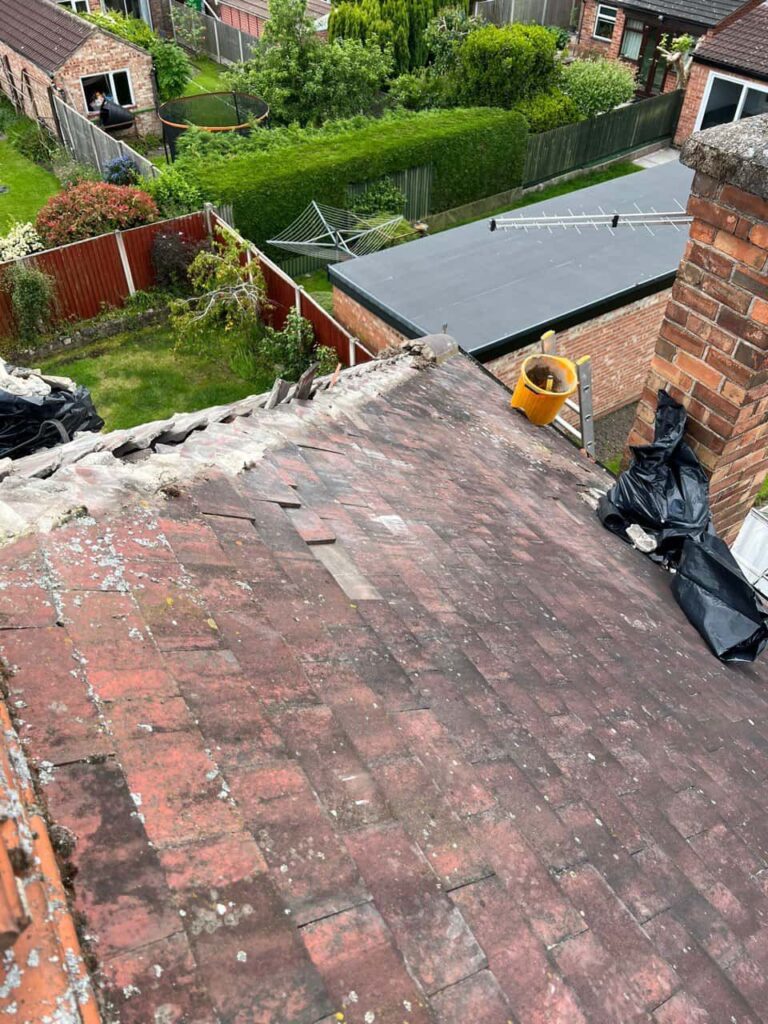
Flat roofs are a practical choice for many properties, but they require proper drainage and regular maintenance to remain in good condition. One common problem is ponding water, which occurs when rainwater collects on the roof instead of draining away efficiently. Although small puddles may appear harmless at first, water that remains for an extended period can contribute to deterioration, leaks and other roofing issues.
For property owners in Witchford, Cambridgeshire, recognising the signs of ponding water early can help prevent further damage. Witchford Roofing Repairs provides professional flat roof repairs to help identify drainage problems, address damaged roofing materials and maintain the reliability of your roof.
What Causes Ponding Water on a Flat Roof?
Flat roofs are designed with a slight fall to direct rainwater towards outlets and drainage points. When this system does not work as intended, water can accumulate in low areas and remain there after rainfall.
Several factors can contribute to ponding water, including:
- Blocked drainage outlets: Leaves, moss, dirt and other debris can restrict the flow of rainwater.
- Poor roof falls: An inadequate slope can prevent water from reaching the drainage system efficiently.
- Roof sagging: Structural movement or deterioration may create depressions where water collects.
- Damaged roofing materials: Worn membranes, loose joints and uneven surfaces can interfere with effective drainage.
- Inadequate drainage design: An unsuitable or poorly maintained drainage arrangement may struggle to remove water efficiently.
Identifying the underlying cause is essential. Simply removing standing water may provide temporary relief, but the problem is likely to return unless the drainage issue or damaged area is properly addressed.
How Ponding Water Can Damage Your Flat Roof
Standing water places prolonged stress on a flat roof, particularly when drainage problems are left unresolved. The extent of the damage depends on the roof’s condition, the roofing materials and how long the water remains.
Increased Risk of Leaks
Water that remains on the roof for long periods can expose weaknesses in the waterproofing membrane, particularly around seams, joints, roof penetrations and existing defects. If these areas have already deteriorated, moisture may eventually find its way beneath the roofing layer.
Once water enters the roof structure, it can affect insulation, ceilings and internal finishes. Damp patches, peeling paint and unexplained moisture indoors may indicate that the roof needs professional attention.
Deterioration of Roofing Materials
Prolonged exposure to standing water can accelerate deterioration in certain roofing systems, especially where the membrane is ageing, damaged or unsuitable for persistent moisture. Repeated changes in temperature can also place stress on vulnerable joints and surfaces.
Regular inspections help identify early signs of wear before they develop into more extensive problems. Where damage is present, suitable flat roof repairs can restore the affected areas and help protect the roof’s waterproofing.
Additional Weight and Roof Deflection
Water is heavy, and substantial accumulation can place additional load on a roof. If the structure is already weakened or the roof has developed a depression, the extra weight may worsen the deflection and allow even more water to collect.
This can create a cycle in which the roof holds more water, increasing the strain on the affected area. Significant sagging or persistent water accumulation should therefore be assessed by a qualified professional rather than treated as a simple drainage issue.
Dampness and Insulation Problems
When water penetrates the roof covering, it can reach the insulation beneath. Wet insulation may lose some of its thermal performance and take a long time to dry, particularly when moisture becomes trapped within the roof structure.
Over time, this can contribute to damp conditions and damage to internal surfaces. Prompt repairs can help limit moisture penetration and reduce the risk of further deterioration.
Signs Your Flat Roof May Have a Ponding Water Problem
Ponding water is not always easy to identify from inside a property. However, several warning signs may indicate that your flat roof needs inspection:
- Puddles that remain long after rainfall has stopped.
- Visible depressions or uneven areas across the roof surface.
- Cracks, bubbles, blisters or lifting along the roofing membrane.
- Water staining on ceilings or upper walls.
- Damp patches or a musty smell in rooms beneath the roof.
- Debris collecting around drainage outlets.
Some shallow puddles may be expected on certain flat roof systems, depending on their design and the conditions after rainfall. However, persistent ponding, visible deterioration or signs of internal leakage should not be ignored.
Avoid walking on a flat roof to inspect these problems yourself, as the surface may be slippery or structurally weakened. A professional inspection is a safer way to establish the condition of the roof.
How Professional Flat Roof Repairs Address Ponding Water
Effective repairs begin with understanding why water is collecting and whether the roof covering has already been affected. Witchford Roofing Repairs can help property owners in Witchford, Cambridgeshire, identify problems that may be compromising the performance of their flat roofs.
Depending on the findings, appropriate repair work may include clearing obstructed drainage outlets, repairing damaged membrane sections, resealing vulnerable joints or addressing localised areas where water collects. Where the roof has an underlying drainage or structural issue, further remedial work may be necessary to provide a lasting solution.
The correct approach depends on the roof’s construction, the condition of its materials and the severity of the problem. Treating the cause, rather than just the visible puddle, is essential to reducing the likelihood of recurring damage.
Preventing Ponding Water on Flat Roofs
Although not every drainage problem can be prevented, routine maintenance can help reduce the risk of ponding water developing into a more serious concern.
Keep drainage outlets clear of leaves and debris, particularly after periods of heavy rainfall. Arrange periodic roof inspections to check for deteriorating membranes, damaged joints and areas where the surface has become uneven. It is also sensible to investigate recurring puddles instead of assuming they will disappear without consequences.
If water repeatedly accumulates in the same location, professional advice can help determine whether maintenance, localised repairs or improvements to the drainage arrangement are needed.
Conclusion
Ponding water can be an early warning sign of drainage difficulties, deteriorating roofing materials or changes in the shape of a flat roof. Left unaddressed, these problems may lead to leaks, damaged insulation and further deterioration of the roof structure.
For property owners in Witchford, Cambridgeshire, early action can help protect the roof and prevent minor defects from becoming more serious. Witchford Roofing Repairs can assess your flat roof, identify the cause of persistent water accumulation and recommend suitable repairs. If you have noticed standing water, uneven roof areas or signs of a leak, contact Witchford Roofing Repairs to arrange a professional inspection.
Call us on: 01353 881 096
Click here to find out more about Witchford Roofing Repairs
Click here to complete our contact form and see how we can help with your roofing needs.